Paraphrasing is something most people have come across, but it's not just about swapping words around like turning good day into best day or you into them. That seems too simple sometimes.
When you're writing for SEO, there's a lot more to consider. Why does it even matter to paraphrase properly. It helps with avoiding repetition in your content or something like that.
You can start by trying to reword your own writing. It's easier than it looks. Get into it step by step.
Paraphrasing
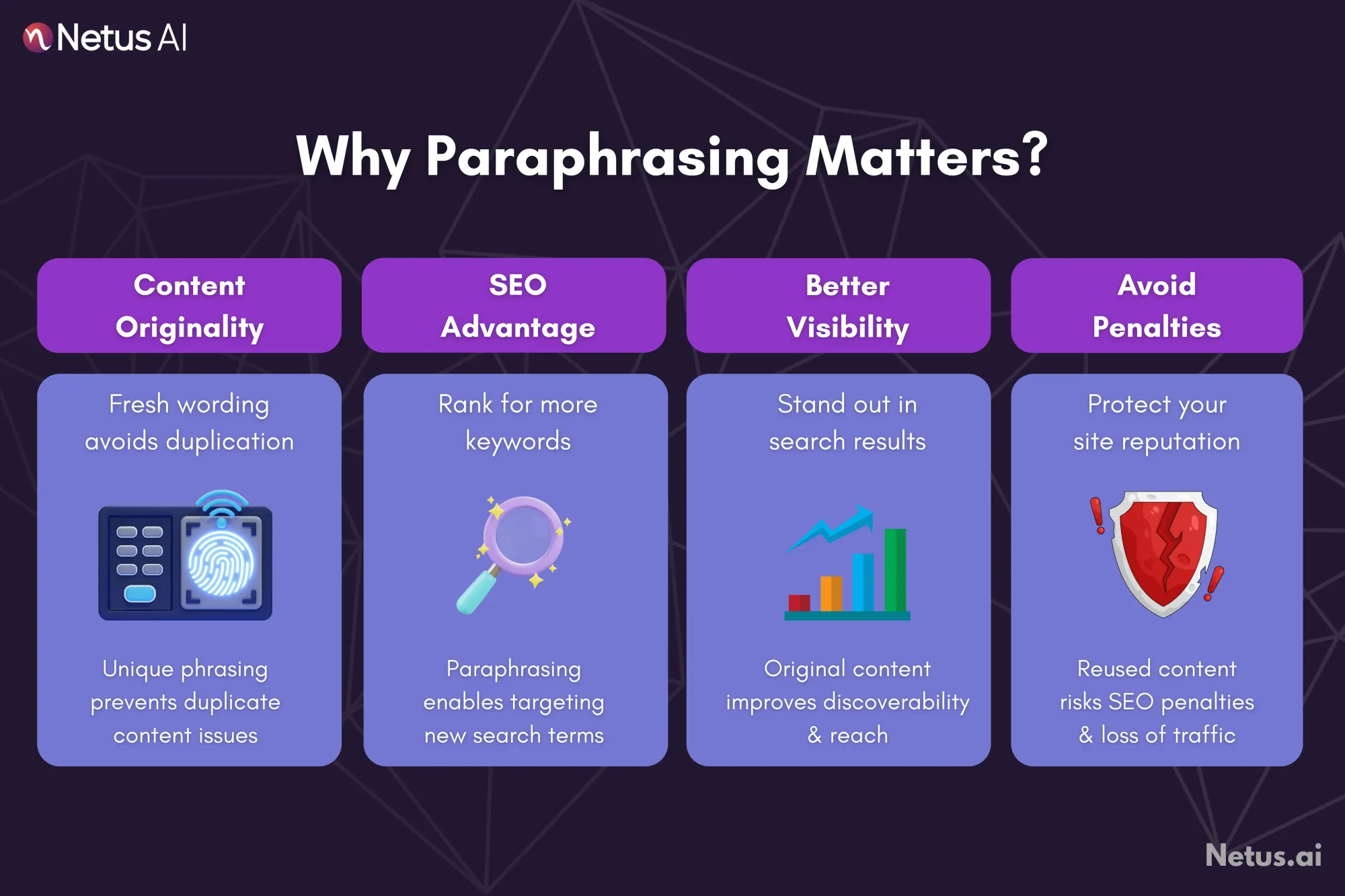
Paraphrasing stuff you write can really help with getting better spots on Google searches.
It is kind of like a trick in content marketing where you say the same idea but in your own words. That makes the content feel fresher and longer too. When you do it right, it shows search engines that what you have matches what people are looking for.
Duplicate just copies things and seems like junk to most people. Google hates it so much they made this tool for webmasters to spot it. But honestly, the tool is not that great at actually finding all the duplicates.
Still, it can be useful in other ways. Like if you are trying to write about something specific, say “dog walking for a blog post”. Probably tons of other posts already exist on that. You can use the tool to dig up those duplicates and pull out ideas or bits of info. Then paraphrase them into your own thing.
Rewording
Paraphrasing is basically taking some text and changing the words so it sounds more interesting, not so stiff. You know, like making it flow naturally instead of copying stuff straight.
If you're aiming to get more visitors on your website, then yeah, you really ought to give this a shot. It seems like that's the way to go for traffic.
Why Paraphrasing matters?
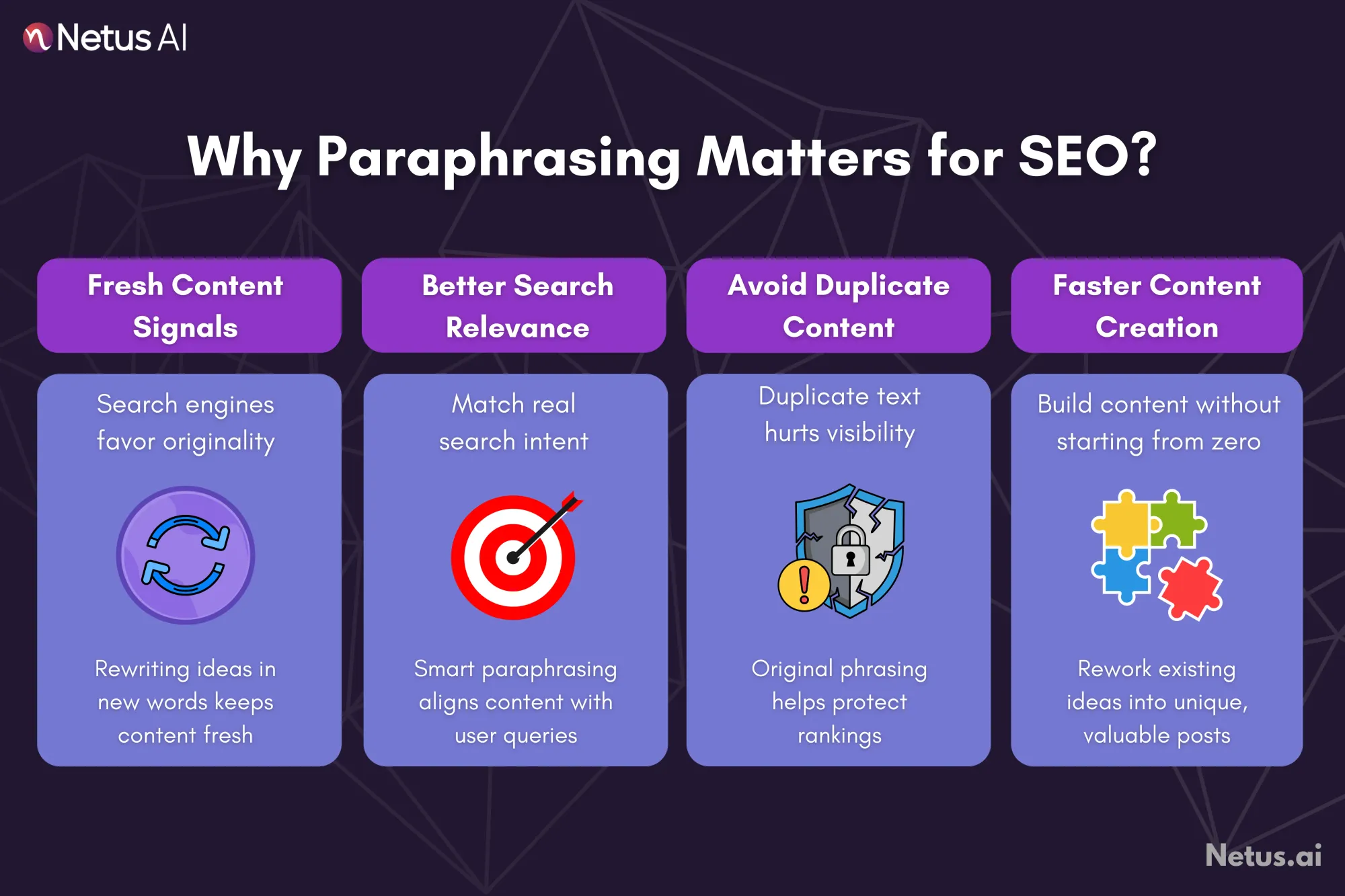
Paraphrasing really counts in marketing and SEO stuff. It helps a lot when you're putting content out there. Basically, when you paraphrase, you're switching up the words and how sentences are built that makes everything feel fresh and not copied.
You don't want the same old text showing up multiple times on your site. It just looks like a duplicate. So by changing it around, you can target different keywords for ranking.
If you’re not willing to put in the time to come up with your own fresh, unique content then you’re going to be outdone by someone who is. If you’re not using paraphrasing matters to increase your website traffic and you are using content from other sites then you’re likely to get penalized.
Synonyms
When you write stuff like articles or blog posts for the web, paraphrasing means swapping out words for synonyms that say the same thing. It sort of helps keep things fresh.
I think the main reason people do this is to fit in those keywords just right, you know, so your content actually works well. Without using different words or key phrases, your site probably won't show up high in search results. That part is tricky, because search engines are picky about that.
Paraphrasing ends up being a good way to avoid copying everything directly. It makes the whole thing feel more your own, even if the ideas are similar.
SEO: search engine optimization

These days with all the online stuff, copywriting does not seem as big a deal anymore.
It is fading out kind of slowly. SEO takes over more and more. But SEO is really for the search engines right.
Your actual customers end up seeing the words though. So you have got to make sure it is something they would want to read. Otherwise what is the point?
As someone writing this, it feels like the key is focusing on the people buying or whatever, not just trying to please Google. That is where a lot of it goes wrong. You cannot ignore the search part but the customer side matters too maybe. It gets a bit tricky balancing both.
NetusAI: Stylometry-safe rewriting in practice
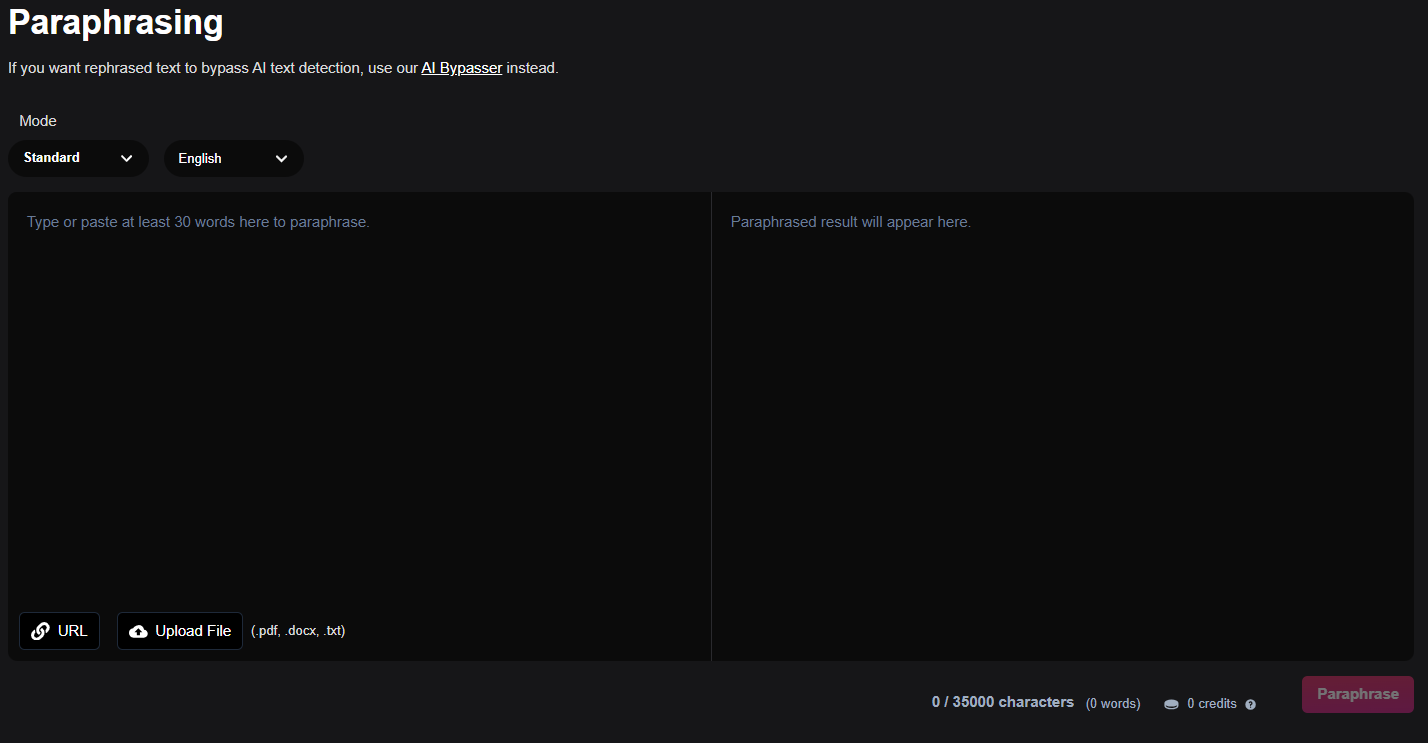
To effectively evade AI detection and stylometry, paraphrasing requires more than simple word changes, a capability NetusAI tools provide.
The NetusAI Paraphraser rewrites content, restructuring sentences, adjusting tone and eliminating detectable patterns without sacrificing clarity.
But what makes Netus stand out is the paraphrasing + detection synergy:This software provides a paraphrasing capability for large documents, generating output that is safe from stylometric analysis. It offers real-time AI detection and a bypass engine to circumvent both AI detectors and authorship attribution tools.
NetusAI’s Paraphraser and Bypasser offer superior content safety for rewriting AI drafts, templated sections or anonymizing writing style.
It’s not just a rewriter. It’s your stylometry-safe rewrite lab, built for SEO survival in a detection-first web.
Final thoughts
Paraphrasing and rewriting content for SEO, the main point is not really about fooling search engines or dodging some kind of punishment. It's more like trying to give readers what they actually want, while also making the structure better and hitting those keywords right.
Tools such as NetusAI offer this strong method to change text without getting caught by stylometry checks, which helps keep things unique. Especially now, with so much content coming from AI, it's hard to stand out. But still, people have to be involved, the human touch does not go away.
When you rewrite effectively, it's all about finding that balance. You keep the main idea intact, talk straight to whoever is reading, and make sure the whole thing ends up good quality but also works well for search engines.
Focusing on stuff like that, you can grab content that is not doing great or just copied around, and make it something that ranks high. It connects with users for real, and brings in more organic traffic that way. Kind of turns things around.
FAQs
What is the main goal of paraphrasing content for SEO?
The main idea is really about giving the reader the most value you can from the content. You optimize how it's structured and target those keywords properly too. Then there's turning stuff that's underperforming or just duplicating other things into something that ranks well and pulls in organic traffic.
How does proper paraphrasing help with SEO rankings?
Paraphrasing can really make your content seem newer, like not just copied stuff. Search engines seem to like that kind of fresh writing, so they give it more visibility or something. You know, by changing around the sentences and picking different words, it helps target keywords better for ranking.
What is the difference between original content and duplicate content?
Search engines value original content a lot since it's unique and stands out from everything else. Duplicate stuff just copies what's already there, and Google sees that as low quality or "junk" most of the time. It seems like that could lead to penalties.
Is paraphrasing just about swapping out individual words?
Paraphrasing in a way that actually works, particularly when you're aiming for SEO or trying to slip past AI detection tools like stylometry, goes beyond just swapping out a few words here and there.
Why is focusing on the customer important, even when optimizing for search engines (SEO)?
SEO matters a lot if you want people to find your stuff online, right. But in the end, it's the actual readers, like customers, who have to go through the words you wrote.
How can tools like NetusAI help with content rewriting?
NetusAI has these tools for rewriting stuff in a way that's safe from stylometry checks. They mess with the sentence structures and change the tone a bit. Plus, they get rid of those patterns that detectors pick up on. The whole point is to dodge AI detectors and tools that figure out who wrote what.