Keeping up with Google algorithm changes is really annoying sometimes. You hit one issue and then another one just shows up out of nowhere, kind of like that whack-a-mole game.
The helpful content update from Google, that wasn't just some quick thing. It started this whole new system that's here to stay, one that's all about what makes content quality in searches. They want to change how we even think about good stuff online.
This update really hammers home that useful part more than anything before. It puts the person searching first, giving points to content that makes them feel like they got what they needed, satisfied and all informed, instead of annoyed or misled.
Decoding the shift: it’s a system, not just an update

The first step to adapting is understanding what we’re dealing with. The Google helpful content update is often misunderstood as a simple penalty against certain types of content. In reality, it’s far more profound.
It introduced a new, machine-learning-based helpful content system that acts as a site-wide quality filter. Unlike a penalty that targets specific technical violations, this system generates a signal used by Google’s core ranking algorithms to identify and demote content that provides a poor user experience.
The origin story is rooted in necessity. By 2022, Google’s algorithms were brilliant at understanding words and links but they still struggled to measure true satisfaction. A page could be perfectly optimized and earn links, yet still be utterly unhelpful to a reader.
The update was Google’s way of teaching its system to better recognize the feeling of a satisfying answer. The core principle is elegantly simple: create people-first content. Google’s own guidance poses a series of reflective questions that cut to the heart of this:
- Do you have an existing or intended audience for your business or site that would find the content useful if they came directly to you?
- Does your content clearly demonstrate first-hand expertise and a depth of knowledge?
- Will someone reading your content leave feeling they've learned enough about a topic to help achieve their goal?
This isn’t about a new keyword density formula. It’s a mandate to prioritize the human experience over the algorithmic checklist. It asks us to write for a person, not a bot.
The new blueprint: what “people-first” content actually demands

The SEO content update is all about demonstrating tangible value and that requires a new set of priorities centered on authenticity and depth.
That approach ties right into those E-E-A-T rules, you know, the ones about experience, expertise, being authoritative and trustworthy. They are not just vague ideas anymore. They turn into actual targets for how you write.
Experience is shown through real-life stories and relevant examples, such as mentioning years of managing remote teams.
Expertise requires demonstrating knowledge, not just claiming it. Explain why something works, discuss underlying principles, acknowledge counterarguments, and cite original sources.
Authoritativeness is built by creating solid, thoroughly sourced content that naturally earns backlinks.
Trustworthiness comes from transparency: keeping old information updated, correcting errors, and always citing data sources. A site focused on accuracy earns trust over time.
Sometimes it feels like these guidelines overlap a bit, but they push for more thoughtful writing overall.
The AI conundrum: Navigating the new rules of machine assistance
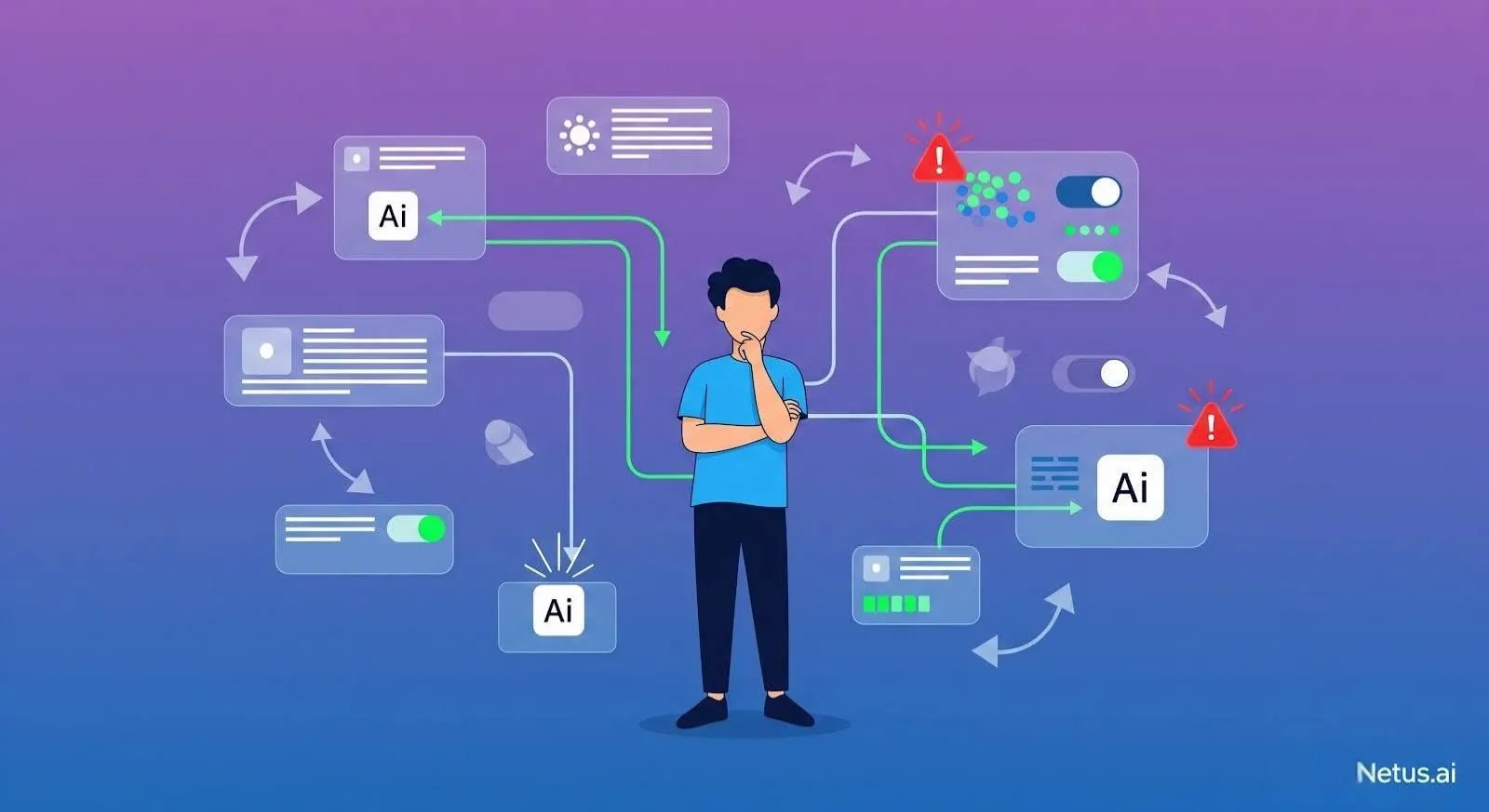
This is where the conversation gets urgent for modern SEO writers. AI-generated content is not inherently penalized. Google has stated this clearly.
So, how does AI content get affected? When your content feels robotic, it triggers a cascade of negative outcomes. Users sense the emptiness instantly, leading to the dreaded high bounce rates and low dwell times that tell Google your page is unhelpful.
More technically, AI text often contains stylometric triggers, statistical patterns in word choice, sentence structure and rhythm, that sophisticated AI detection models are trained to find.
Common AI generated patterns that act as de-ranking cues include:
Then there's the ending part. It wraps up by just going over the same stuff again. No fresh idea or what to do next. Nothing that really sticks with you or pushes things forward.
The way sentences run on is another thing that stands out. They all kind of blend together with the same length and setup. Predictable, almost boring rhythm. Human stuff usually mixes it up more, short here, longer there. This lacks that dynamic feel.
And emotionally, it's flat. No passion or personal take at all. Just straight facts, neutral and distant. It does not connect like real writing should, on that human level. Some pieces try for tone but this one fails completely. That part is easy to miss if you're not paying attention.
Use smart tools like NetusAI’s SEO article generator + keyword extractor
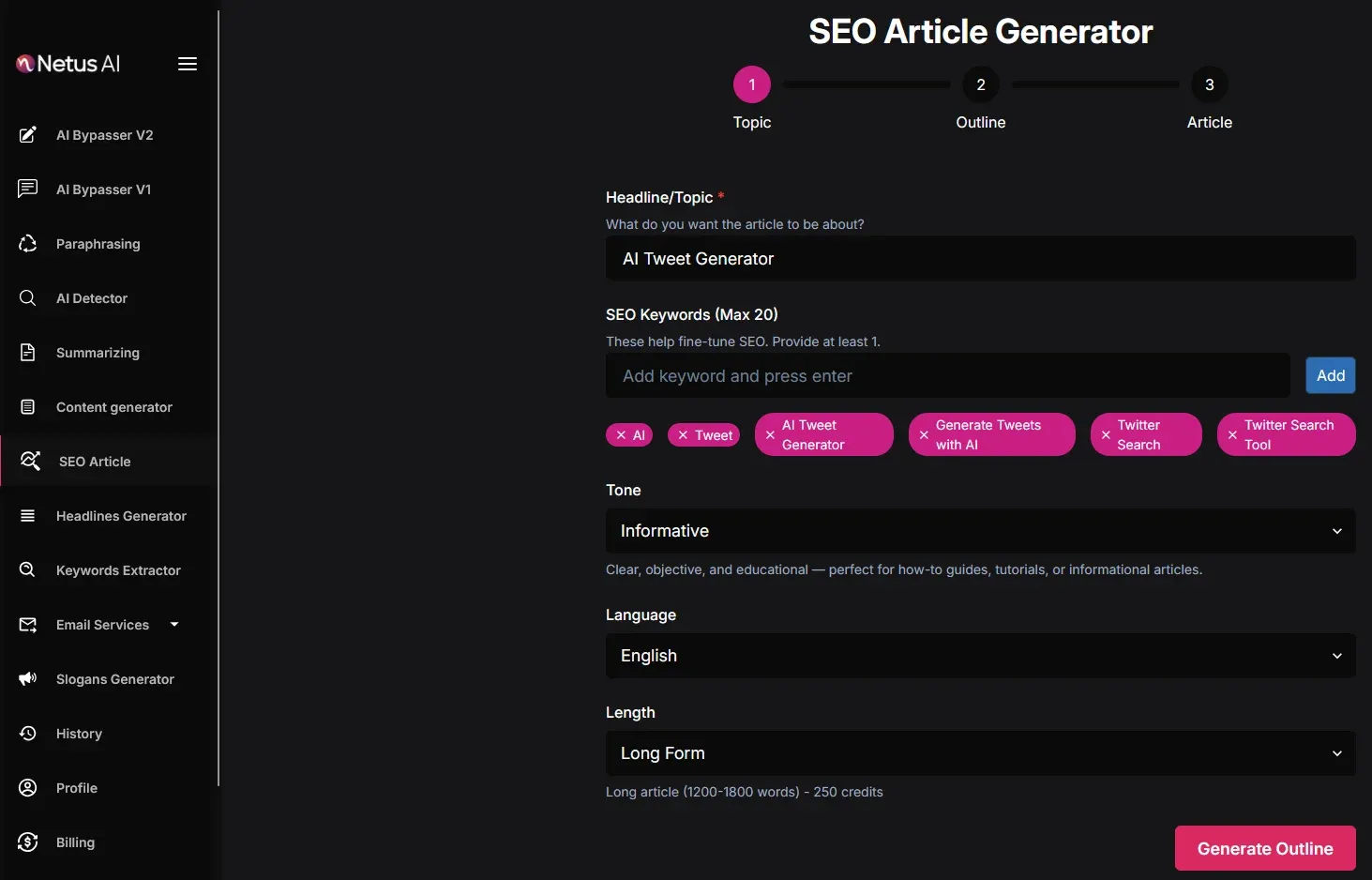
Creating helpful content consistently isn’t just about writing, it’s about structuring your content around real intent, valuable keywords and organic tone.
That’s exactly where NetusAI’s SEO Article Generator shines. It doesn’t just pump out generic AI copy, it builds blog drafts using optimized headings, proper keyword density and a natural flow that aligns with Google's latest “people-first” expectations.
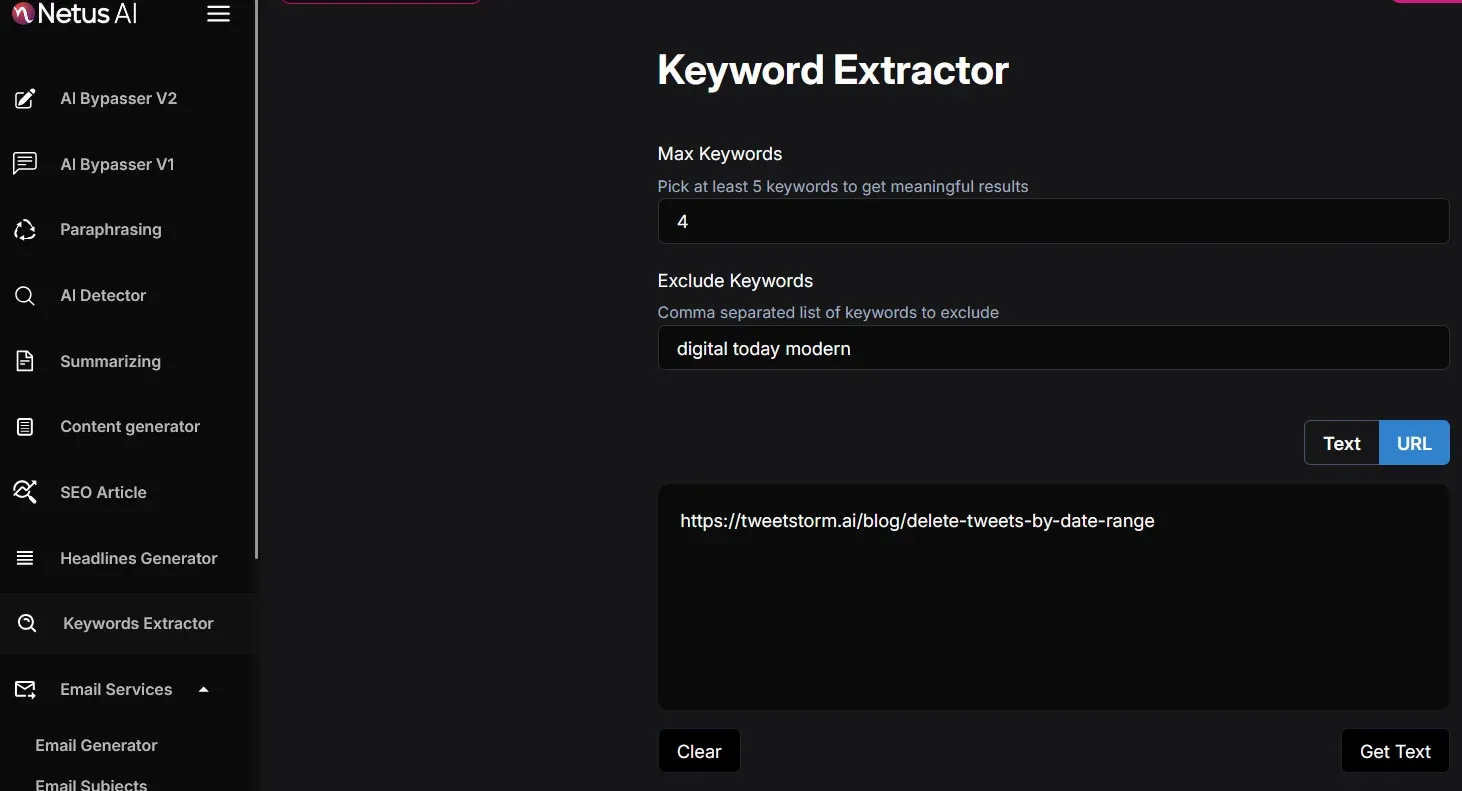
Pair it with the Keyword Extractor and you instantly get a list of topic-relevant terms straight from your seed content or competitor pages. That means you’re not guessing, you’re creating with clarity, speed and search relevance.
Why it works for the helpful content update:
- Articles are written with bypassing already applied
- Keyword integration feels organic, not stuffed
- Outputs mimic natural rhythm and tone
- Removes the need for post-generation rewrites or detection worries
Use Netus to draft smarter. Then refine and paraphrase only where needed. It’s not just AI powered SEO, it’s AI made helpful.
Final thoughts
Google’s Helpful Content Update is a loud and clear signal: write for people, not just rankings.
It’s no longer enough to publish AI generated blogs packed with keywords, they need to feel human, offer real value and prove that an expert (or a well-trained assistant like Netus) is behind the words.
By combining smart prompts, NetusAI’s SEO Article Generator, its Keyword Extractor and real-time AI detection tools, you can produce content that not only bypasses AI detectors but also stands strong in organic search.
Helpful content isn’t a trend. It’s the new SEO baseline.
FAQs
What is Google’s Helpful Content Update?
It’s an algorithm update that prioritizes people-first content. Google now favors articles written with expertise, experience and original insight over AI-generated or generic content.
Can I still use AI to write blog posts?
Yes but only if you're guiding the AI with clear prompts, editing outputs and avoiding robotic, templated content. Tools like NetusAI make this process safer and smarter.
What are the risks of not adapting to the Helpful Content Update?
You risk losing rankings, visibility and traffic. Google may devalue your entire site if it detects large volumes of unhelpful or low-quality content.
How does NetusAI help with Google-compliant content?
NetusAI’s SEO Article Generator builds structurally sound, optimized blogs that feel human. Its Keyword Extractor ensures relevance, while the Bypasser makes content detection-safe.
Is paraphrasing AI content still effective after this update?
Yes, if done well. NetusAI’s Paraphraser and AI Bypasser both rework content intelligently, improving tone, rhythm and structure so it feels natural and original.
What’s the best workflow for staying compliant?
Start with the SEO Article Generator → Extract keywords → Refine with the Paraphraser → Check with the built-in Detector → Publish. This keeps content fast, safe and Google-ready.
Does Google penalize all AI content?
No. Google penalizes low-value content, not AI use itself. If your AI-generated blog is helpful, original and aligns with search intent, you’re in the clear.