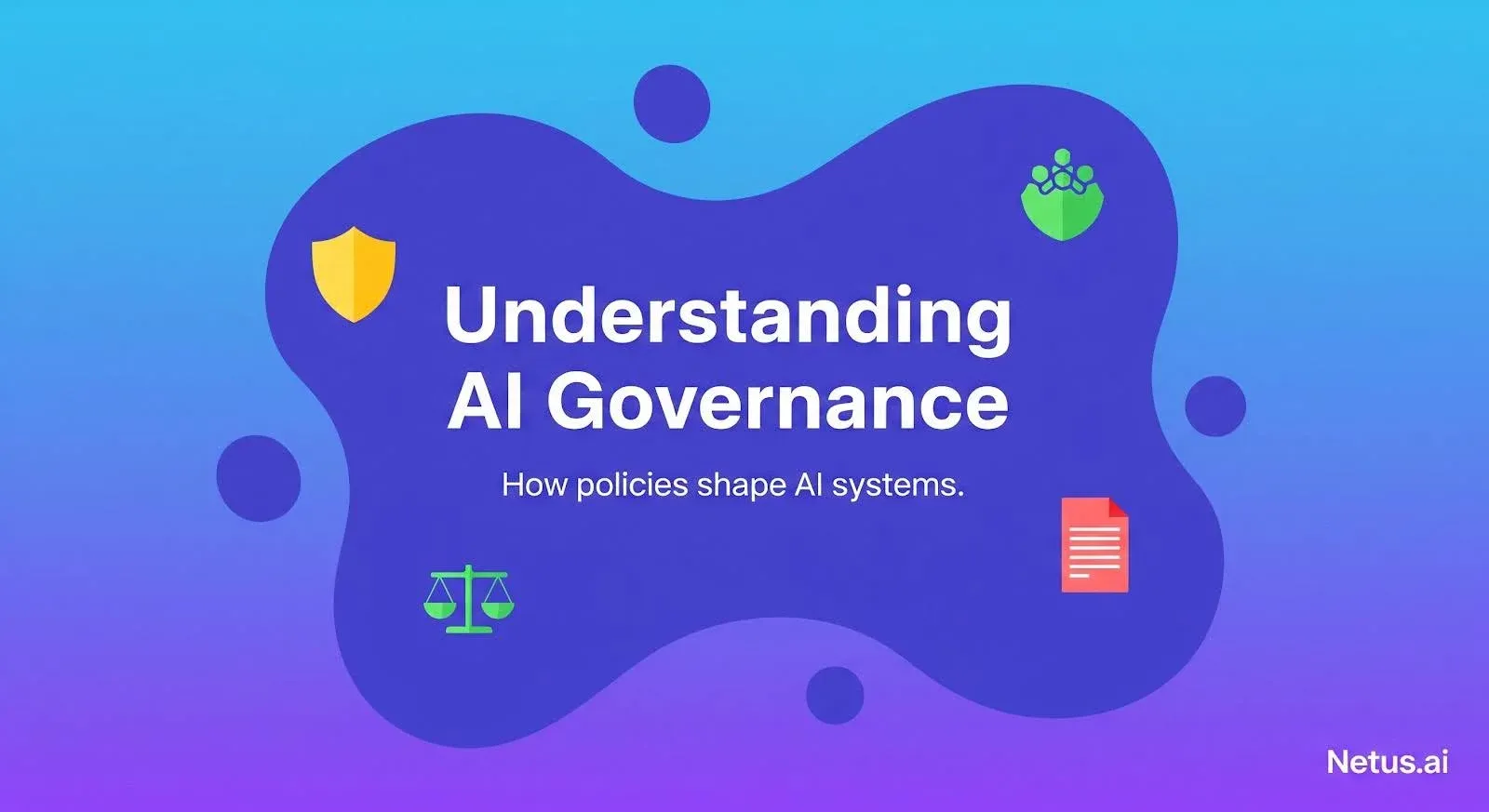
With artificial intelligence becoming increasingly important, the technology is developing faster than laws can catch up. Since AI systems are part of key fields like business, healthcare, finance, and even daily living, it becomes necessary to have strong oversight and ethics. AI Governance Frameworks are not meant to block innovation but to ensure that progress happens in a responsible, trustworthy, and ethical manner.
AI governance refers to the rules, processes, and policies created to guide the development, use, and monitoring of AI systems. It deals with ensuring accountability and managing significant risks, such as algorithmic bias, data security breaches, or unintended effects on society.
Key elements of good AI governance
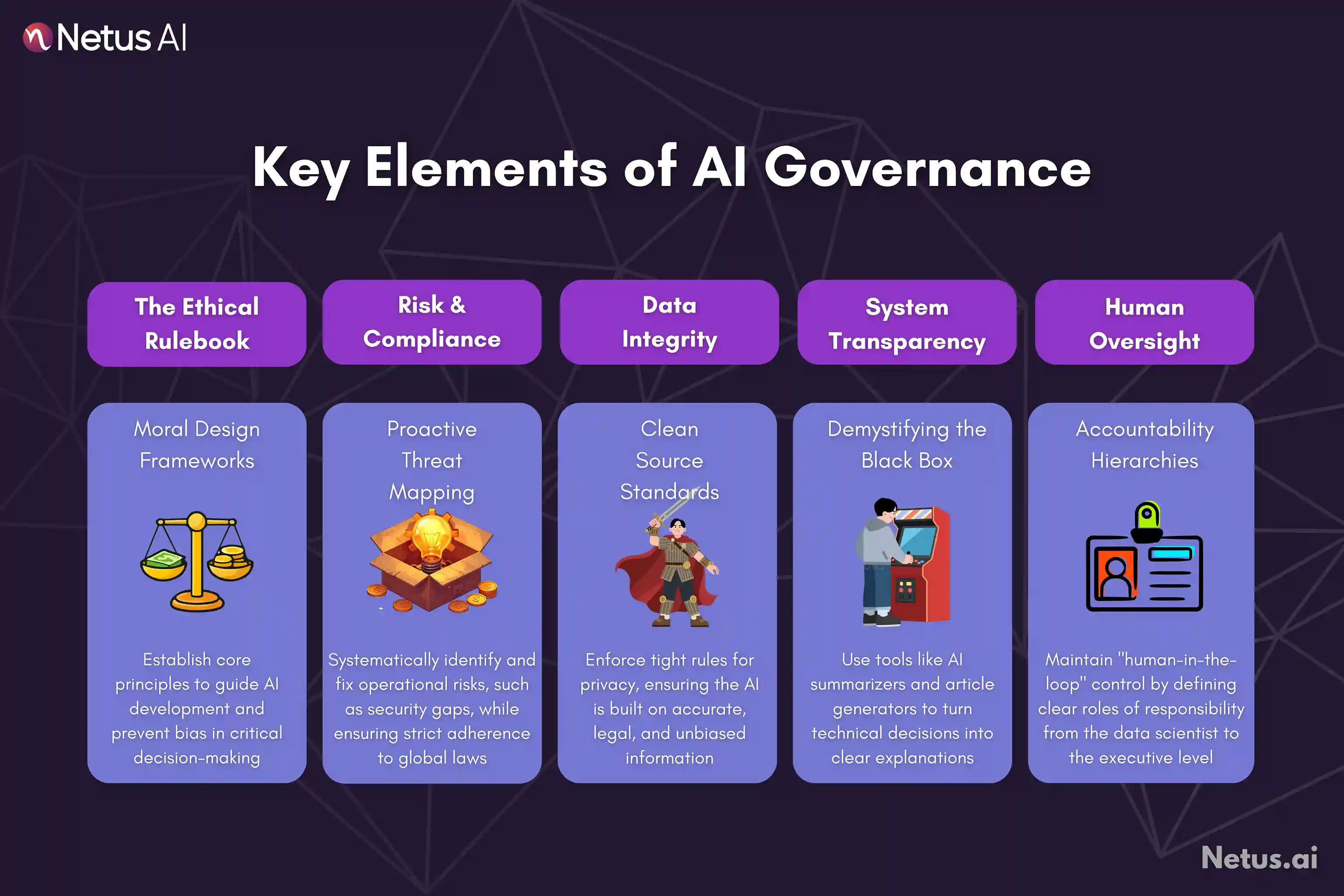
A complete AI governance model usually depends on these important factors:
Moral guidelines and directions
This is the rulebook that says what is right and wrong for making AI. Ethics like justice, openness, being responsible, and “doing good” are required in the building of the system. A moral approach helps companies move through hard problems, for example, not allowing discrimination in credit-giving programs or keeping people safe in AI health machines.
Handling risk and law obedience
AI brings special risks, such as non-compliance with laws (such as GDPR) or operational problems (for example, model drift or security vulnerabilities). Governance is the process that makes it easier to identify, assess, and mitigate these dangers. Groups are supposed to keep records that show how their AI tools are built and used.
Data correctness and keeping secrets
The best AI can do is only as good as the information it uses. Bad, biased, or illegal data will make AI not work correctly and can make things unfair. Having governance means there are very tight rules for where to get data, how to fix it, how to mark it, and how it is saved, while also matching privacy rules.
Openness and explaining ability
For anybody to rely on AI, they must know how it really works and why it makes certain decisions. This is especially important for complex “black box” AI models. So, governance bodies want ways to make things clearer.
If you are making explanatory papers or need to tell someone how your AI makes decisions, an AI summarizer tool is good for getting main ideas quickly from long technical files. Also, to write posts or documents that present AI ideas to regular people, you can use the SEO article generator. This tool can write and organize your reports to meet clarity needs while still keeping them easy to read.
Taking responsibility and oversight
There must be clear lines as to who is in charge. If an AI tool ends up causing damage, who should answer? Governance makes roles, decision-making, and responsibilities clear, from the top boss level to data science workers.
Overcoming AI governance problems
Creating a firm plan for AI will not happen easily. There are several difficulties:
Dynamic technology shifts
AI is getting smarter fast, which means if your rules don’t change quickly, they will not work anymore. That is why these policies must keep changing and remain flexible.
Laws all around the world are not the same
Different countries (like the EU with the AI Act or various US states) are establishing their own AI laws. This creates major difficulties for international companies when following the rules everywhere.
Keeping people and AI working together
The plans must focus on collaboration between humans and AI. It matters that people are still in control and check up on AI systems.
Fake content and misinformation issue
With AI now able to make fake writing and images that look real, companies face serious challenges when checking if stuff is true and maintaining trust. For example, when robots make text that bypasses normal checks, you might have problems with proving something was done by a person. If you look after content quality or check if things are authentic, you may usually see writing that could be from AI.
Using a paraphrase tool is important if you want to fix how things sound to make them friendlier or less robotic, or just to adjust overly technical AI texts to be easier to read and in a more human style. And when you deal with outside posts or texts from users, maybe you need tools like an AI detector or an AI bypasser to make sure your rules about original and honest content are followed.
Tracking results and reporting
Governance must use measurements for how AI is affecting society and ethics, always checking and making things better.
To ensure your company’s policy writings or rule sheets are easy to find and understand for everyone, using the right terms is very important. Tools like keyword extractor could help you get the most important words out of your texts, so you can change document titles and summaries for searching and for anyone doing government checking.
NetusAI: Your all-in-one set for doing responsible AI correctly
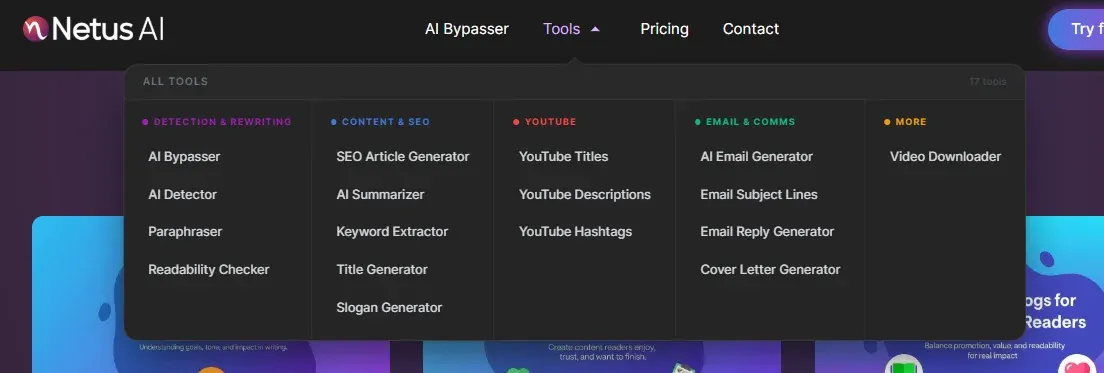
Although AI governance sounds like a top-level plan, the ways it is put into effect matter on a daily basis, and that is done by using useful tools that help make sure rules are followed, quality is right, and correct habits are kept up for AI from start to finish.
There are always some common obstacles with recordkeeping, being able to explain things, making sure information is not fake, and good communication, but these can be much easier to manage if one is using suitable types of software applications.
NetusAI brings a flexible toolbox stacked with AI-driven applications for different kinds of requirements in AI’s rule-setting and practical tasks.
By adding these programs into everyday work, a business can make sure it is not only talking about AI ethics and rules but actually implementing them step-by-step. This can cut down on unwanted admin paperwork quite a bit and create an atmosphere of AI that is not just smart but also thoughtful and accountable.
Final reflection
Being responsible about AI is more than just checking off a requirement; it is, in fact, the main support for building trust in your tech project and for sustaining improvement over time.
If a company spends money and time early to build a good and flexible set of guidelines, they are then much better positioned to achieve big positive results from using AI and can keep problems to a minimum. This also makes their progress with AI both successful and ethical. AI used properly is AI done well.
FAQs
What is mainly planned in an AI governance framework?
It plans to ensure that the development and use of AI always remains legal, technically reliable, and beneficial to society, which means managing issues like algorithmic bias and following government regulations.
How do AI and data governance connect?
AI governance is actually just a broader version of data governance. Data governance is about ensuring data quality, privacy, and safety, while AI governance looks at the use of this data in AI programs, including dealing with AI bias, explaining how models work, and checking if AI is used fairly.
Is AI governance just for huge companies?
Not at all; AI governance is needed by every group that makes, uses, or puts into place an AI system that can change people's lives. The details and how difficult the rules become will be different, but looking after people and reducing risk apply in all cases.
Why is transparency a must in AI governance?
Transparency means organizations telling those who are involved enough so they can know how an AI behaves and what information it uses. That might be writing down why a model was built, its performance limits and what effects it has. This helps get people to trust the company’s AI and lets problems be seen and fixed.
What will happen if AI is not governed well?
If AI governance is lacking, there could be very serious results, such as having to pay legal fines (for example, if privacy laws are ignored), a loss of trust, reputational damage, financial loss, and incorrect or unjust results, or even lawsuits because of unfair outcomes.