A slogan captures the core idea of your brand in a nutshell. It goes beyond a basic name and logo every time.
This element sticks in people's minds and forms an essential piece of the overall brand identity. As a marketing tool, it carries real power. You have to shape it with care to draw in the audience.
The role of a slogan
A slogan is a brand's memorable phrase that immediately recalls the brand and conveys its culture, vision, goals and desired emotions, like "I'm lovin' it."
Other slogans, such as "Just Do It" and "Because You're Worth It," use clever language to quickly attract the target audience, connect deeply and build the brand's identity and core promises.
A slogan is distinct from a tagline
A slogan is not precisely a tagline.
A tagline is a permanent phrase, the business motto representing the entire brand's culture and goals (e.g., Apple's "Think different"). It rarely changes.
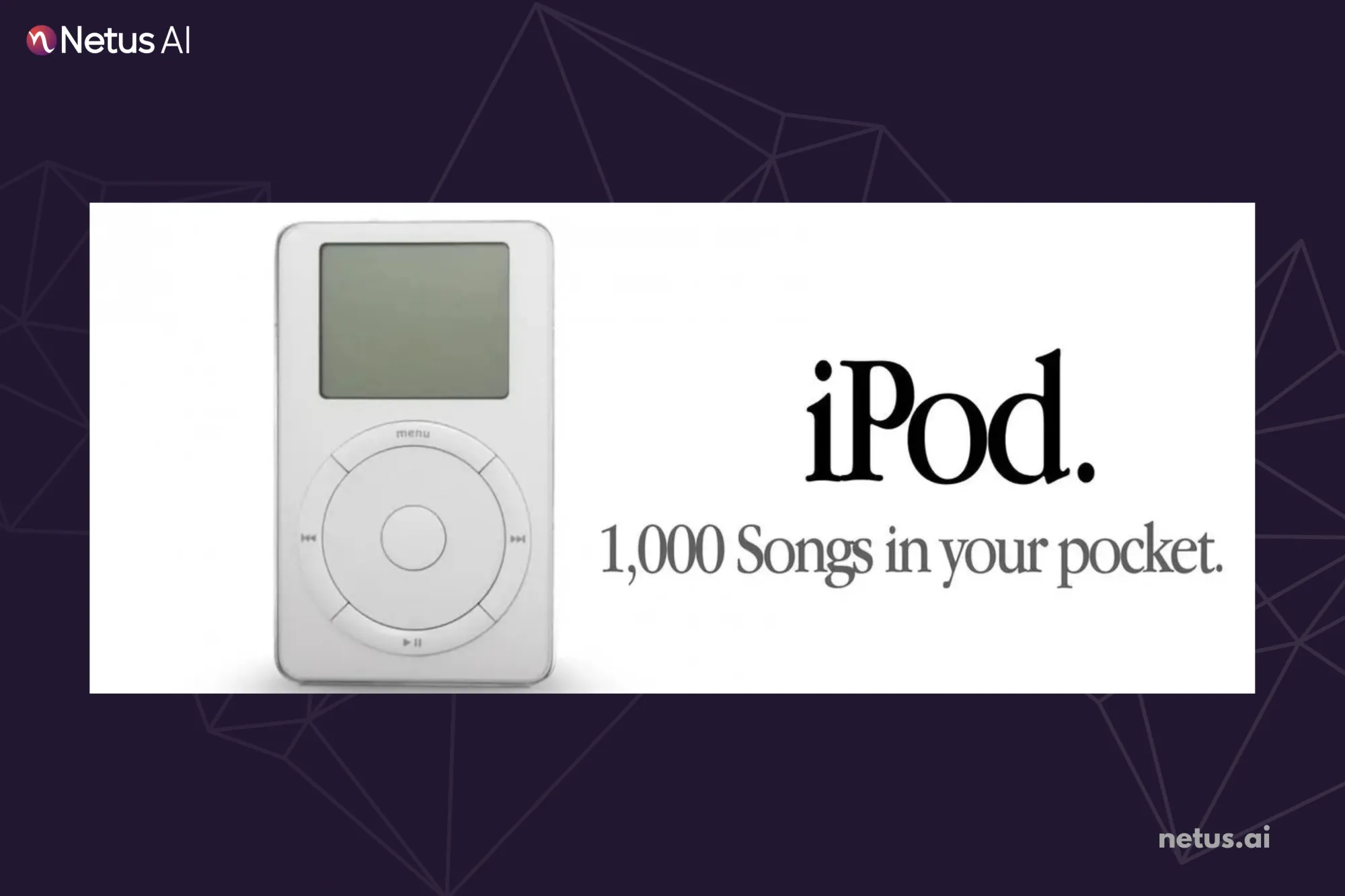
A slogan is product-oriented, often changes, uses emotional impact and offers a unique sales proposition (e.g., iPod’s “1000 songs. In your pocket”).
For single-service brands (e.g., Spotify: "Music for everyone"), the tagline and slogan are often the same and interchangeable. If the brand grows, the tagline stays, but slogans change for specific audiences.
The necessity of a slogan must be addressed
A slogan mainly deals with building brand identity and getting people aware of it. It makes customers keep the brand in mind, like with Nike's "Just do it".
That one sticks pretty well. It also grabs hold of what the company stands for and its core values, take Spotify's "Music for everyone" as an example.
This really boosts how deeply people recognize the brand. Then there is the way a solid slogan lays out an emotional vibe for all those upcoming sales pushes.
That ends up lifting sales over the long haul and building stronger loyalty to the brand. Putting one together takes a lot of thoughtful work.
What key information should you have for slogans?
Like your design, your slogan needs analysis of your audience's desires and preferences to resonate and reflect your business.
Understand your audience and your business
Tailor your slogan's tone to your target audience. Luxury brands (Rolls-Royce: "Strive for Perfection") use a serious, exclusive tone; mass-market brands (Toyota: "Let's Go Places") use a relaxed, inviting one.
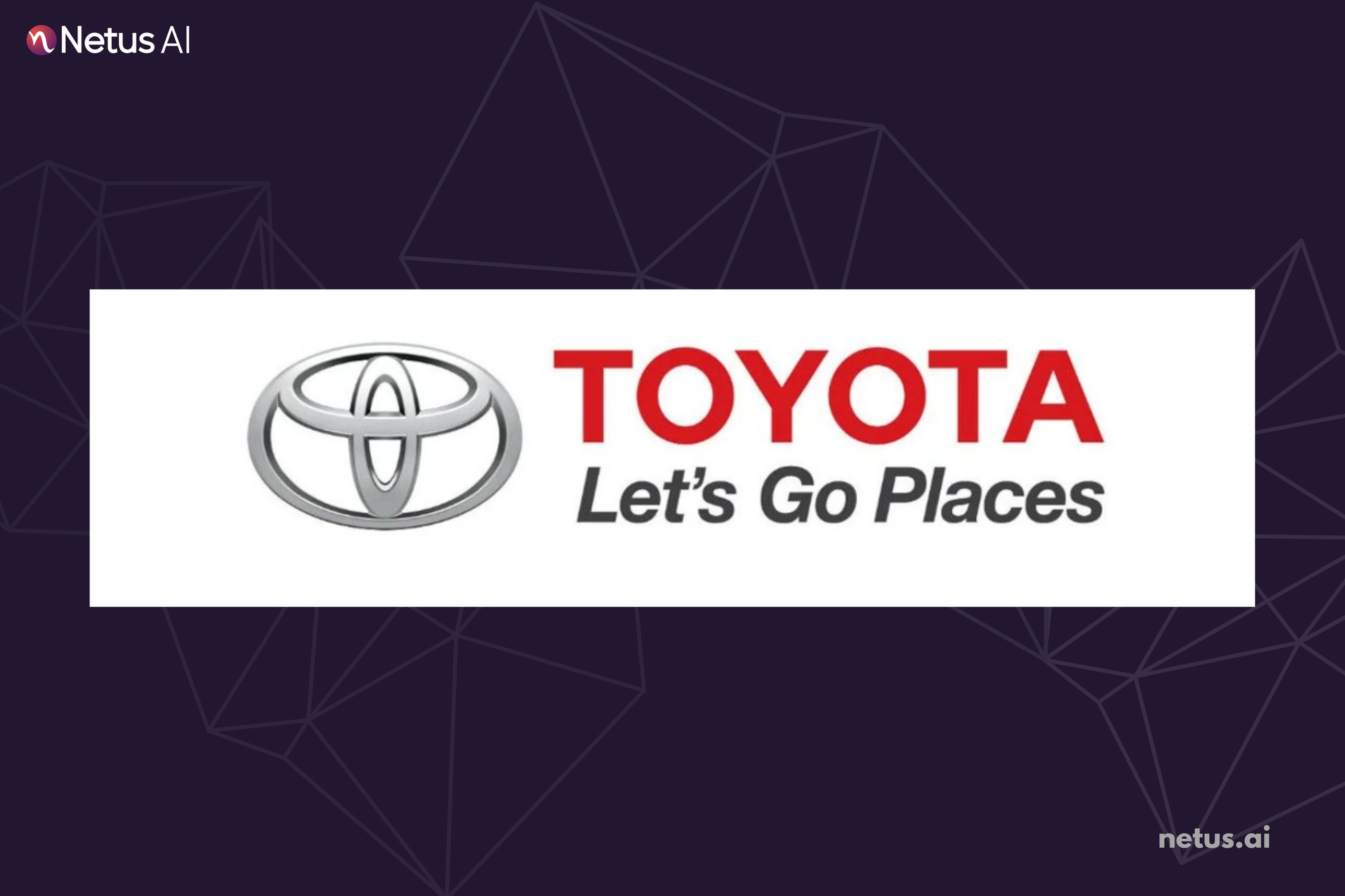
Product, audience and industry determine slogan tone. Boutique requires a reserved tone; mass youth products benefit from a fun, relaxed tone.
Understand your brand's voice
Mimic your brand voice precisely.
Determine your unique selling proposition (USP)
Include your USP in a catchy slogan.
Study your competitors
Research competitor slogans to avoid copying established brands, which could just highlight your smaller market presence (e.g., using "Just do it" for sportswear).
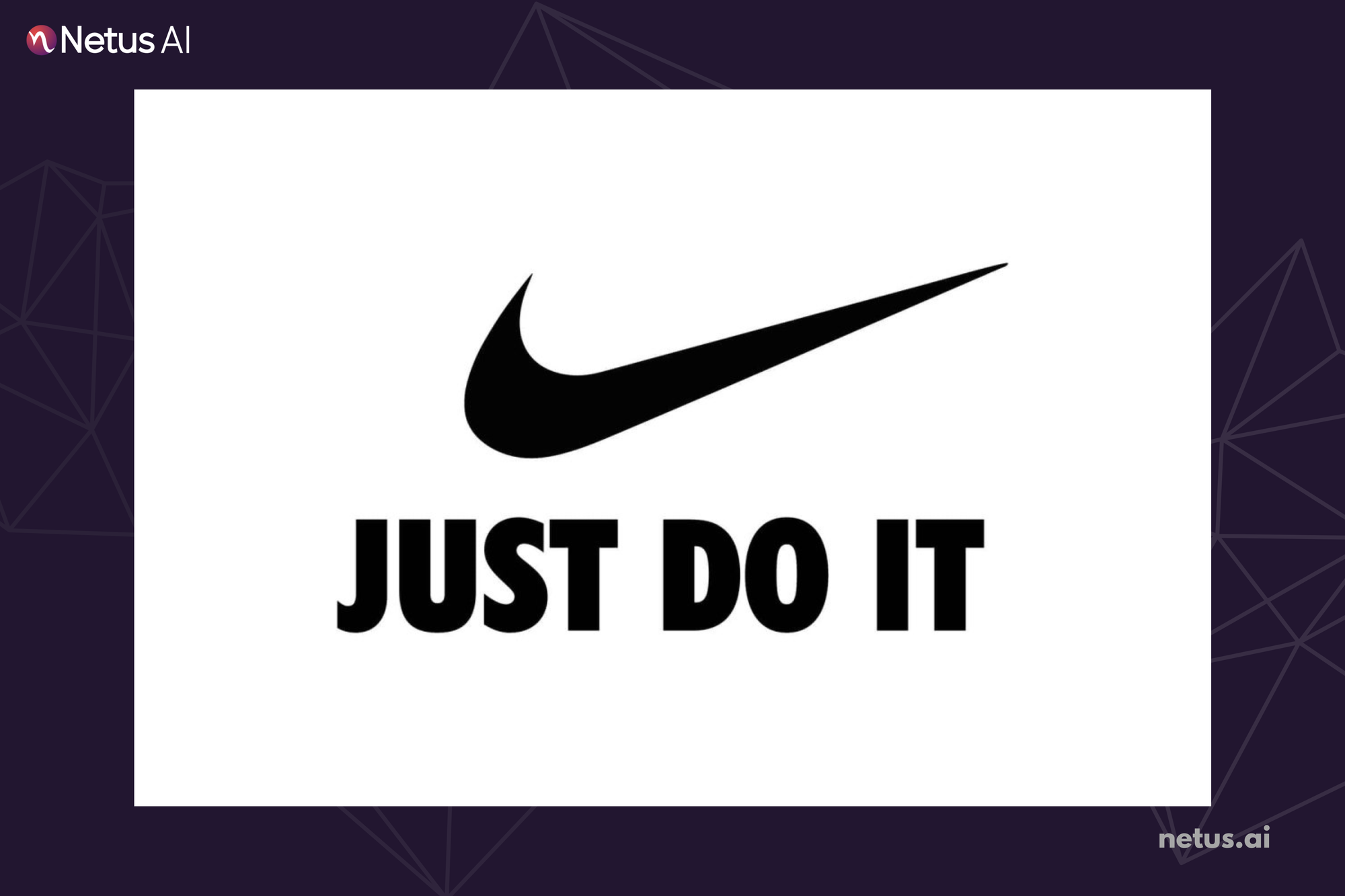
A spoof like "Simply do it" will ruin your reputation and show a lack of creativity. Analyzing your brand will help you choose the perfect slogan type.
Slogan categories
About a dozen slogan types work well.
Business slogans
This slogan type highlights core brand values and motivation. It informs what to expect from products.
Slogans focused on the brand's promise
Brand Promise Slogans highlight the unique sales proposition and what customers can expect. Example: Levi's, "Quality never goes out of style."
FedEx: "When It Absolutely, Positively Has to Be There Overnight." It's brilliant as it acknowledges a common customer phrase in logistics, showing they are prepared.
Descriptive slogans
Descriptive slogans reflect the brand's promise (e.g., Nokia's "Connecting people"). They must be unique, short, precise and memorable.
Motivational slogans
Motivational slogans (Nike’s “Just Do It,” Under Armour’s “I Will,” L’Oreal’s “Because You’re Worth It”) target decision-making with positivity and energy.
Emotional slogans
This type appeals to emotion, setting the audience's mood. Examples: LG’s “Life’s Good.”
Funny slogans
A funny slogan is risky; it only works if the brand voice is comedic, as humor is subjective.
Visionary slogans
Thought-provoking slogans, like Apple's "Think Different," use complex associations. Ajax detergent's "Stronger the grease" is better.
It links the product claim (stronger than grease) to the Greek warrior Ajax, who was stronger than Greece, making an unremarkable claim memorable and insightful.
CTA slogans
CTA Slogans urge action. Examples: Skittles' "Taste the Rainbow," Netflix's "See what's next."
Controversial slogans
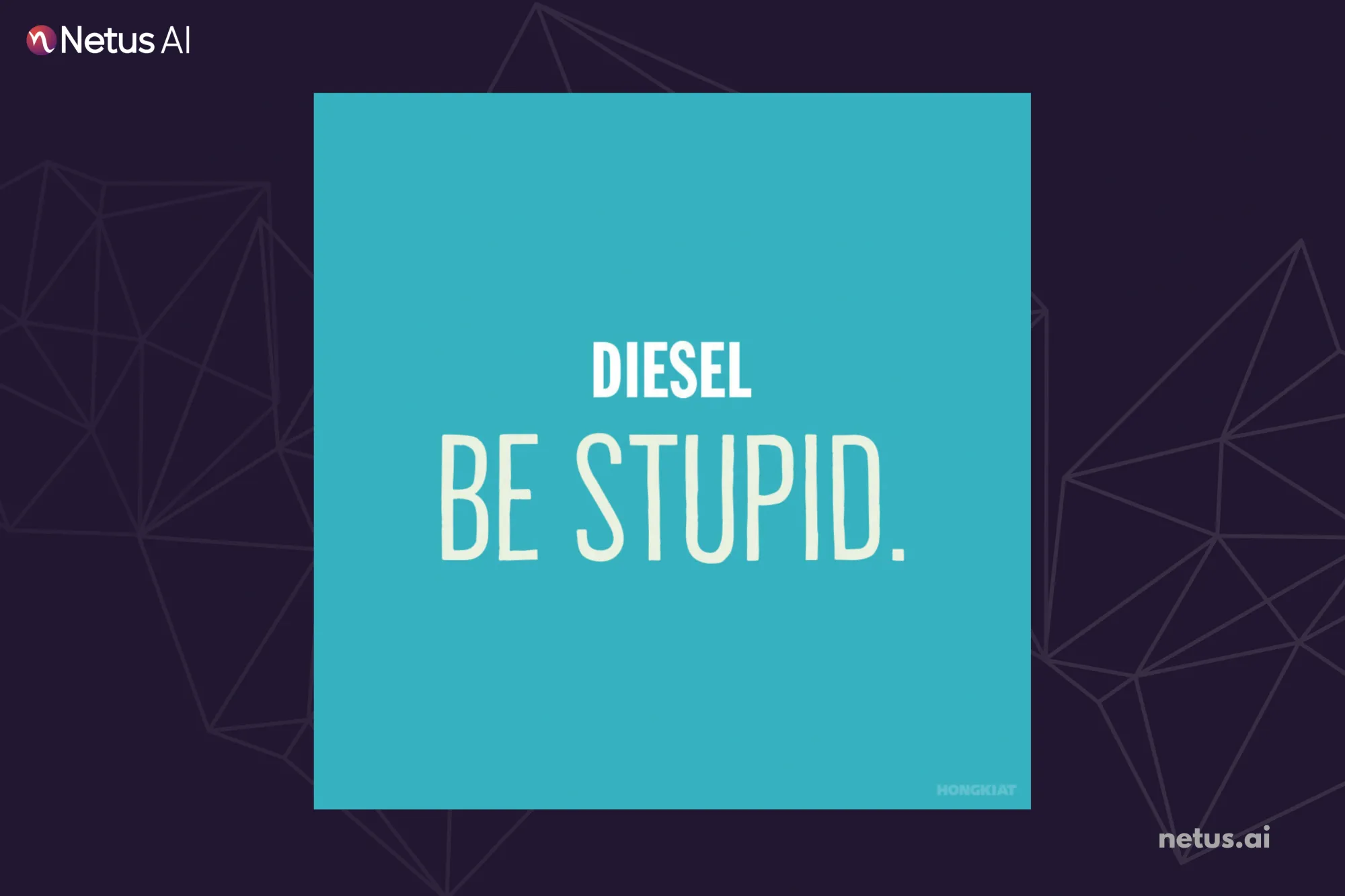
Controversial slogans are risky and suit businesses targeting a rebellious audience (e.g., Diesel's "Be Stupid" for the YOLO crowd).
Not all slogans work for every industry/audience. Research first, then follow best practices for maximum efficiency.
How to write an effective slogan?
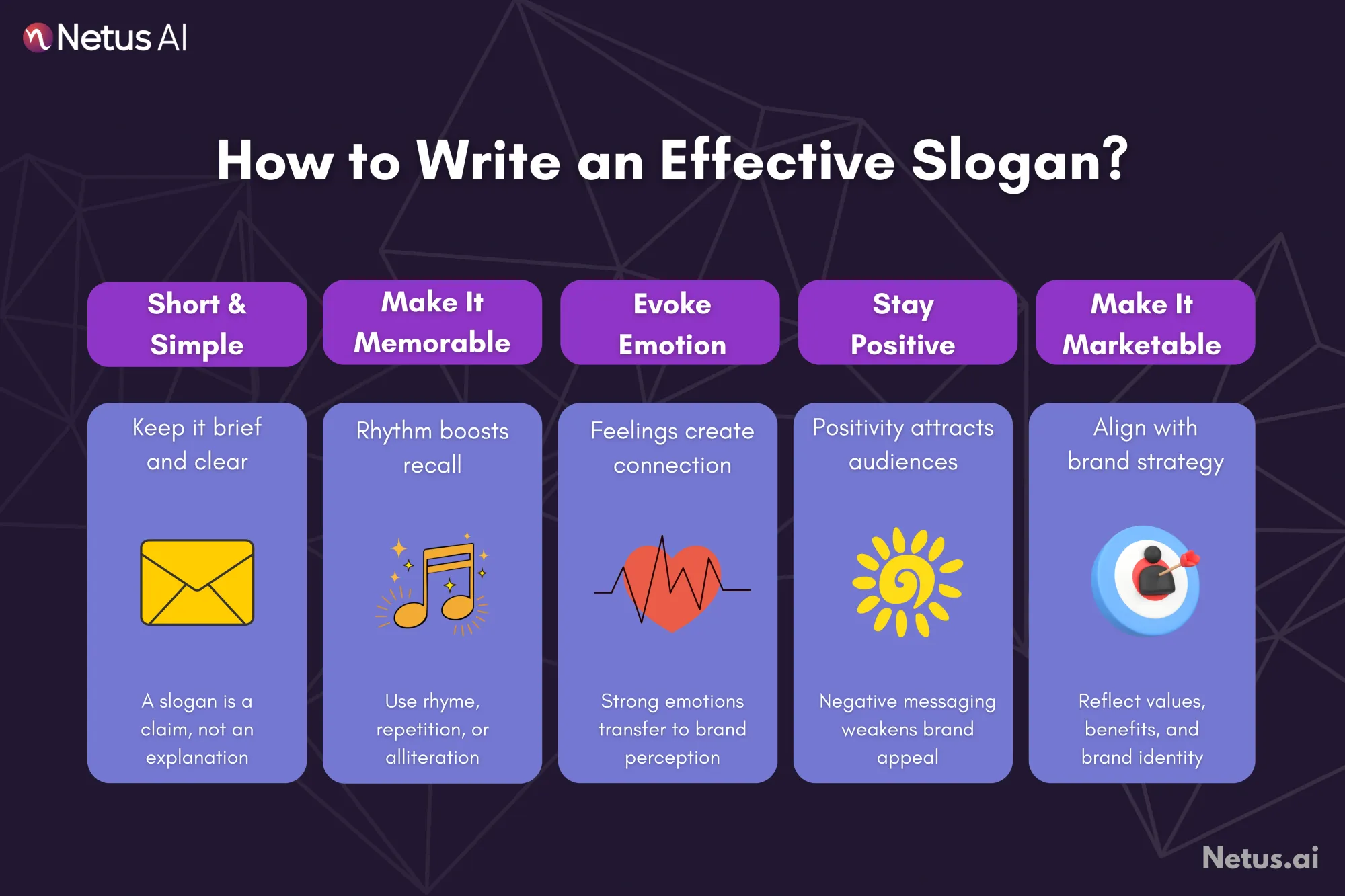
Writing a slogan is creative. Think outside the box, but follow golden standards.
1. Keep it short and simple
Keep your slogan short and to the point. It's a claim, not an explanation.
2. Make it memorable
Use alliteration, rhyme or rhythm for memorability. McDonald's song-based slogan ("I'm loving it") is a prime example.
3. Try to evoke emotions
"Let's Go Places" (Toyota) excites customers, transferring positive emotion to the brand.
4. Be positive
Keep your message positive; your brand should be a beacon of hope, as negativity will push audiences away.
5. Make it marketable
Your slogan must be marketable and a clear representation of your brand's core message, be it benefits, values or culture and align with your overall marketing strategy.
Leverage NetusAI's slogan generator for maximum impact
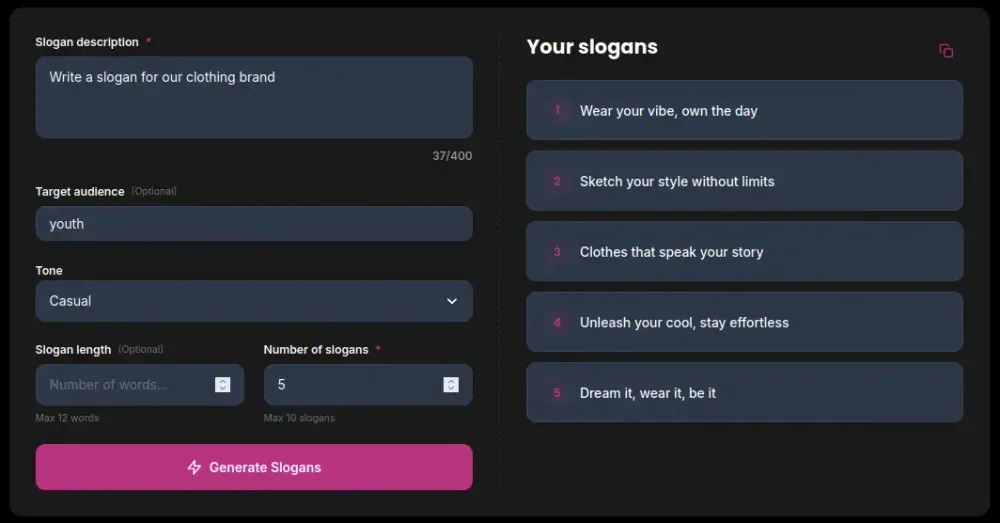
NetusAI's Slogans Generator quickly creates powerful, memorable and SEO-friendly slogans from your brand ideas using AI.
With minimal input, it generates professional, catchy taglines tailored to your brand's voice and audience for startups, product launches or campaigns.
Key features include instant slogan generation, audience targeting, tone flexibility, adjustable length, and multiple options.
It benefits Startups, Marketing Teams, E-commerce Stores, Agencies and Social Media Managers by saving time and brainpower. NetusAI is the best choice because it's Creative and SEO-Friendly, Time-Saving, Customizable and Built for Businesses and Creators. Try for Free!
Final thoughts
A slogan really boils down to that quick, catchy, upbeat core of what a brand stands for. It plays a big role in shaping identity and boosting awareness. The thing is, it always has to line up with the brand's main values.
Start by checking out the audience, the unique selling points and what competitors are doing. Make sure the slogan stays straightforward, hits on feelings and works well for marketing.
NetusAI Slogan Generator can make the whole process easier and faster. Over time, a strong slogan helps build real loyalty that lasts with the brand.
FAQs
What is the difference between a slogan and a tagline?
A tagline acts as a long-term motto for the brand overall. It sticks around for years, much like Apple's "Think different." A slogan tends to be more short-term in nature. It zeros in on a specific product and builds that emotional tie with people.
At the same time, it really highlights what makes the thing stand out from others. The iPod captured this with "1000 songs. In your pocket." For brands that focus on just one service, those taglines and slogans can end up being pretty much the same.
Why is a slogan necessary for a brand?
A slogan really helps form a brand's core identity. It makes things easier to remember for folks.
The slogan gets across the main essence along with the values. It pushes up recognition in a big way. That emotional tone it sets sticks with people. In the end it drives more sales and builds lasting loyalty.
What essential information should I have before writing a slogan?
You need to think about your audience first. Consider your brand's voice too. Figure out what sets you apart as unique. Look at what competitors use in their slogans. That way you can come up with something fresh and original.
What are some common categories of slogans?
Slogans get sorted into different approaches pretty much like this. Business ones stick to core values. Brands promise hits on the USP. Descriptive types point out the key benefit.
Motivational slogans push for better decisions. Emotional ones create a certain mood. Funny slogans bring in a comedic voice. Visionary ones dive into deeper thoughts. CTA calls for immediate action. Controversial slogans come off as bold and rebellious.
What are the golden rules for writing an effective slogan?
Good slogans usually stay short and simple. They make a straightforward point that hits home. Tools like alliteration or rhyme help them linger in people's minds. They pull in good feelings as well. And they tie right into the brand's core idea.